Super Runcraft
New Recommended Games

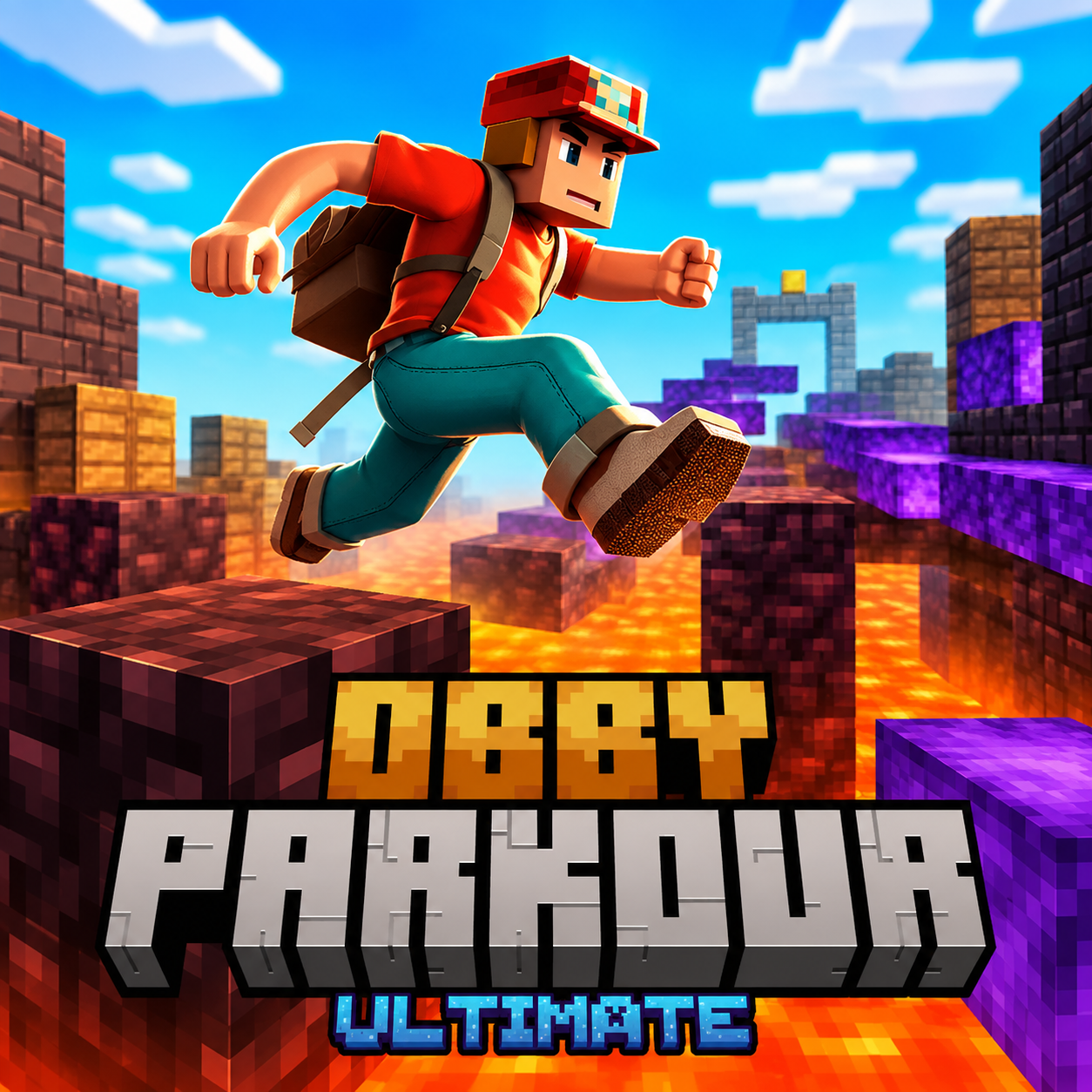



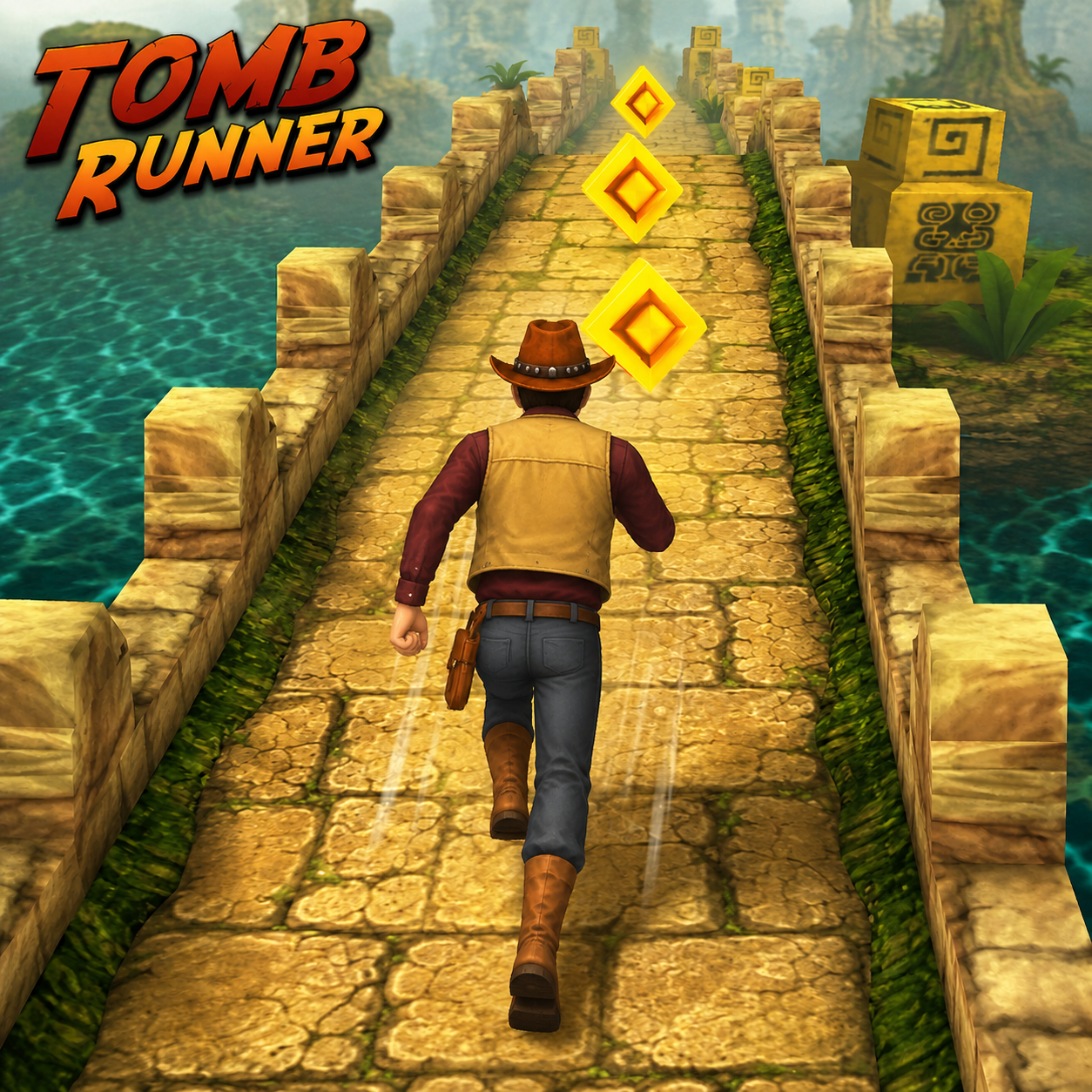


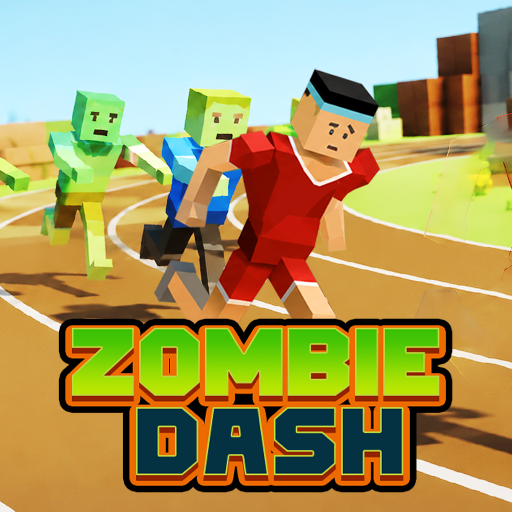
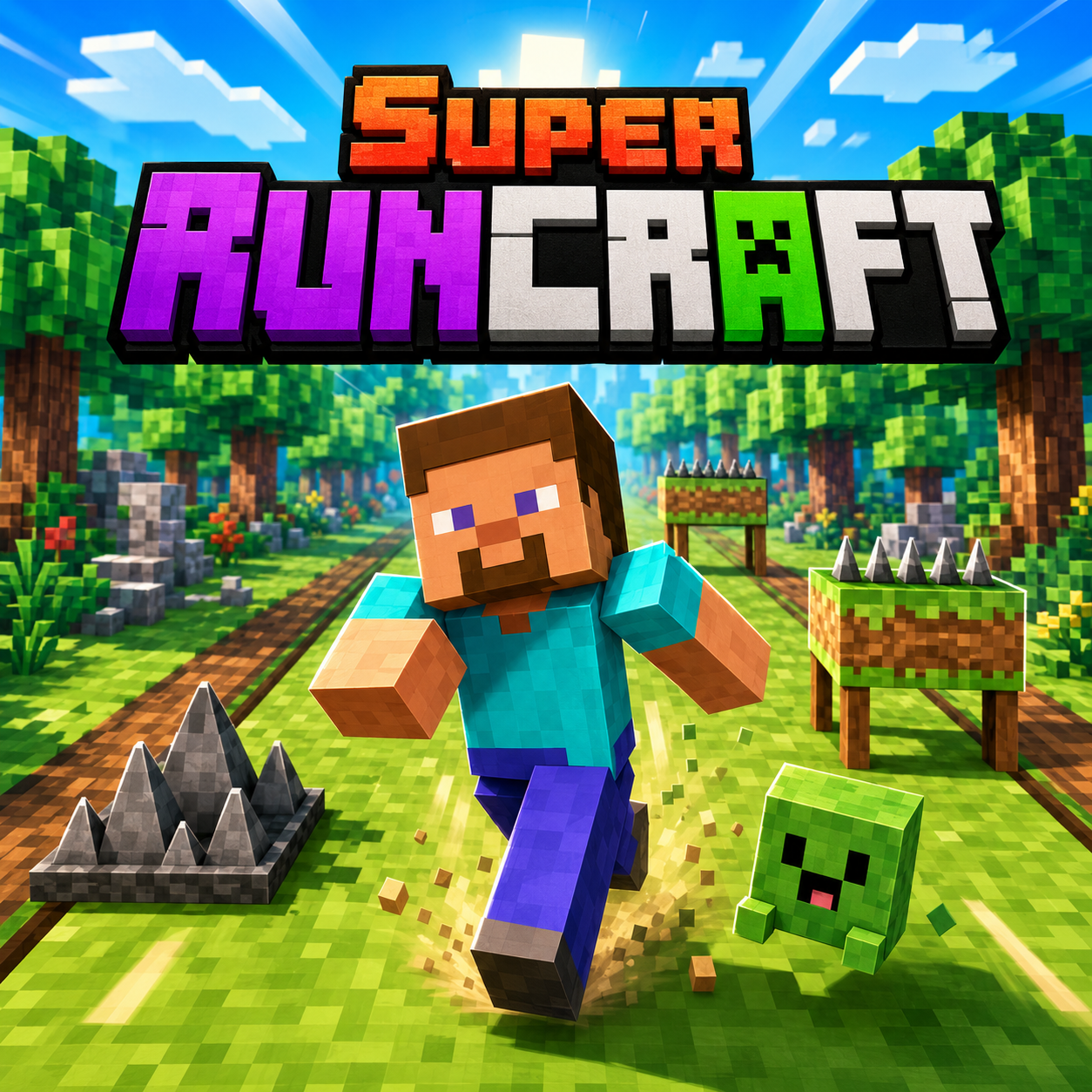
Super RunCraft is a vibrant 3D endless runner that immerses players in a colorful voxel world built from blocky paths, pixelated trees, sharp traps, and gleaming collectibles. As a modern take on the classic infinite runner formula, the game challenges players to guide an automatically running character through an ever-changing course filled with obstacles, coins, and temporary power-ups. The primary objective is to cover as much distance as possible while accumulating a high score and gathering coins to unlock new outfits and appearances. The experience is defined by its fast-paced, reflex-driven gameplay, where each run is a test of timing, spatial awareness, and split-second decision-making. With its cheerful aesthetic and escalating difficulty, Super RunCraft appeals to both casual players seeking quick entertainment and dedicated enthusiasts looking to master the art of survival in an unpredictable environment.
zard, while reacting too late results in an immediate crash and end of the run.
Obstacles appear in a variety of forms, including trees, rocks, walls, and other blocky hazards. Some obstacles require a lateral dodge, while others necessitate a well-timed jump or slide. The course becomes progressively denser with hazards as the run continues, demanding increasingly quicker reactions. Along the way, golden coins appear in rows, often positioned near danger zones. Collecting them is optional but rewarding—coins are used to purchase cosmetic upgrades after the run ends. Additionally, special boosters such as hoverboards can be encountered, granting temporary advantages that allow the player to survive one extra collision or glide over certain obstacles. However, the course does not slow down, so players must remain alert even when using these items. The run ends upon collision, after which the player can immediately restart to attempt a better score.
Voxel Visual Style: Super RunCraft adopts a charming 3D pixelated art direction, with a world made of cube-like elements that evoke the feel of classic sandbox games. The bright color palette and smooth animations create an inviting atmosphere that contrasts with the intense challenge of the endless run.
Three-Lane Movement System: The gameplay is built around a three-lane navigation system, allowing for lateral movement, jumping, and sliding. This structure provides a clear framework for obstacle avoidance while offering enough complexity to reward skilled play.
Progressive Difficulty: As the player travels farther, the frequency and variety of obstacles increase. New hazard combinations force players to adapt quickly, ensuring that no two runs feel identical. The difficulty curve is well-tuned to keep experienced players engaged while remaining accessible to newcomers.
Coin Collection and Customization: Golden coins are scattered throughout the course, many in risky positions that test the player’s nerve. Coins persist between runs and can be spent in an in-game shop to unlock new outfits and character appearances, adding a layer of personalization and long-term progression.
Special Boosters: Temporary items such as the hoverboard appear periodically, providing a safety net or a short-term advantage. These boosters add strategic depth—deciding when to use them or how to position oneself to pick them up can make the difference between a short run and a record-breaking one.
Quick Restart Mechanics: After a crash, the game allows an immediate restart without loading screens or menus. This seamless loop encourages repeated attempts and is ideal for short gaming sessions or competitive score chasing.
Responsive Controls: The arrow key input is precise and snappy, with no noticeable lag. The character’s movements are clearly telegraphed, making it easy to learn the timing for each action. Despite the simple control set, mastering the game requires significant practice.
High Score Focus: The primary metric of success is distance traveled, which directly translates to the score. This minimalistic scoring system keeps the focus on survival and consistency rather than complex combos or multipliers, appealing to players who enjoy pure endurance challenges.
Scan the Path Ahead: Avoid fixating on your character. Instead, keep your eyes on the upcoming obstacles as far ahead as possible. Early detection of hazards gives you extra milliseconds to decide whether to switch lanes, jump, or slide. This habit is crucial as speed and obstacle density increase.
Prioritize Survival Over Coins: While coins are valuable for customization, chasing every coin row can lead to reckless maneuvers. Many coin placements are deliberately dangerous, positioned near obstacles or at awkward angles. When the course becomes cluttered, choose the safest lane even if it means missing a few coins. A longer run will yield more coins overall than a short one spent gambling on risky pickups.
Maintain Center Lane Position: Whenever the immediate area is clear, steer your character back to the middle lane. This central position gives you the maximum flexibility to dodge left or right when a new hazard appears. Being stuck in an edge lane reduces your options and can force you into a jump or slide that might not be optimal for the next obstacle.
Time Each Move Deliberately: Avoid jumping or sliding prematurely. A common mistake is to react too early, causing the character to land or stand up in the path of the next hazard. Wait until the obstacle is nearly upon you before executing the necessary action. With practice, you will develop a rhythm that allows you to chain movements efficiently.
Use Boosters Wisely: When you pick up a hoverboard or similar booster, remember that it provides only temporary protection or advantage. Do not become complacent—the course continues at full speed, and the booster may end while you are in an unsafe position. Plan your next dodge or jump even while the booster is active.
Learn Obstacle Patterns: Although the course is procedurally generated, certain combinations of obstacles repeat. Over time, you will recognize common sequences and develop muscle memory for the appropriate responses. Pay attention to the spacing between hazards, as some require a quick double-tap of the lane switch, while others demand a jump followed by an immediate slide.
Avoid Overcorrecting: When moving left or right, tap the arrow key only once to switch one lane. Holding the key or pressing it multiple times in quick succession can send you into an unintended lane or even off the course. Precision is more important than speed.
Restart Without Frustration: Because each run is short, use every restart as a learning opportunity. If you crash on a particular obstacle, note its position and prepare for a similar situation in the next run. The game’s instant restart feature is designed to keep you in the zone—embrace it and focus on incremental improvement.
Customize for Motivation: Unlocking new outfits provides a tangible reward for your coin-collecting efforts. While cosmetic changes do not affect gameplay, they can serve as goals that encourage you to keep playing and refine your skills. Set small milestones, such as earning enough coins for a specific skin, to maintain engagement.
Adjust to Screen Size: If you are playing on a device with a small screen, ensure the game window is set to fullscreen for optimal visibility. Obstacles can be harder to spot on a cramped display, and the extra screen real estate helps you scan ahead more effectively.
A: Super RunCraft is a 3D endless runner set in a colorful world of pixelated paths, blocky trees, sharp traps, and valuable collectibles. Your character runs forward automatically, and you must navigate the hazards ahead.
A: The goal is to travel as far as possible, earn a high score, and collect coins along the way. As obstacles appear more frequently, quick reactions and precise timing become essential for survival.
A: The course is divided into three lanes. You move left or right to avoid trees, rocks, walls, and other objects. You must also jump over low hazards and slide beneath raised barriers.
A: When you crash, you can restart immediately and try to beat your previous record.
A: Golden coins appear in rows throughout the course. Some are near hazards, forcing you to choose between collecting them or taking a safer route. Special items like a hoverboard provide temporary advantages.
A: Coins earned during each attempt can be spent on new outfits and character appearances. They remain available after the run ends, allowing you to gradually expand your customization options.
A: Left Arrow: Move left. Right Arrow: Move right. Up Arrow: Jump over obstacles. Down Arrow: Slide beneath barriers.
A: Watch the path ahead. Focus on approaching hazards instead of watching only your character. Spotting obstacles early gives you more time to choose the correct action.
A: Prioritize survival. Collecting coins is useful, but chasing every row may lead directly into danger. Follow the safest route when several obstacles appear together.
A: Returning to the middle lane whenever it is safe gives you more freedom to move in either direction when a new hazard appears.
A: Avoid jumping or sliding too soon. Well-timed actions help you clear one obstacle and prepare for the next without losing control.
A: Similar games include Santa Run, Animal Run, Run Away 3, and others like Run 3D, Rotate, Shadowman Runner, Candy Jump, Fall Bean 2, Ragdoll Flip, Flip Rush, Color Dash - Chameleon Runner, Dino T Rex 3D Run, Alaaddin Run, River Drift, Math Runner, Snow Ball Racing Multiplayer, School Escape: Obbie Run!, Slope Run, Blocky Runner, and Jelly Runner.
A: You can click "Report a bug" and then select the issue you found from options like "The game don't load", "The game is not working", "I lost my progress", "I saw something inappropriate", "I need help with an in-game purchase", "I have a suggestion", or "Other".
A: You can use the "Share with your friends" option and copy the link.
A: Obstacles include trees, rocks, walls, low hazards (jump over), and raised barriers (slide under).
The core gameplay of Super RunCraft revolves around a simple yet demanding control scheme. The character runs forward automatically, leaving the player responsible for all navigational input. The course is divided into three distinct lanes, and players must use the arrow keys to move left or right, jump over low obstacles, and slide beneath raised barriers. Specifically, the Left Arrow moves the character left, the Right Arrow moves right, the Up Arrow triggers a jump, and the Down Arrow initiates a slide. Each action must be executed with precise timing: moving too early can place the player in the path of a subsequent ha