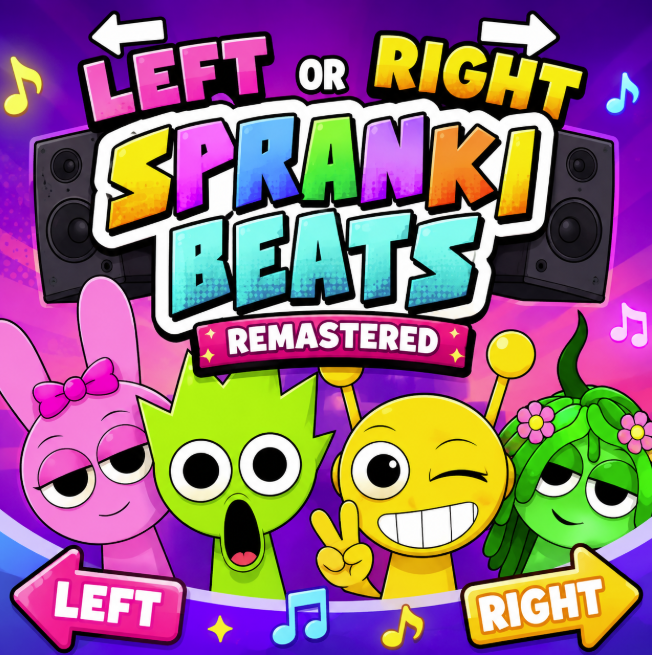
Left Or Right Spranki Beats
Nuevos juegos recomendados








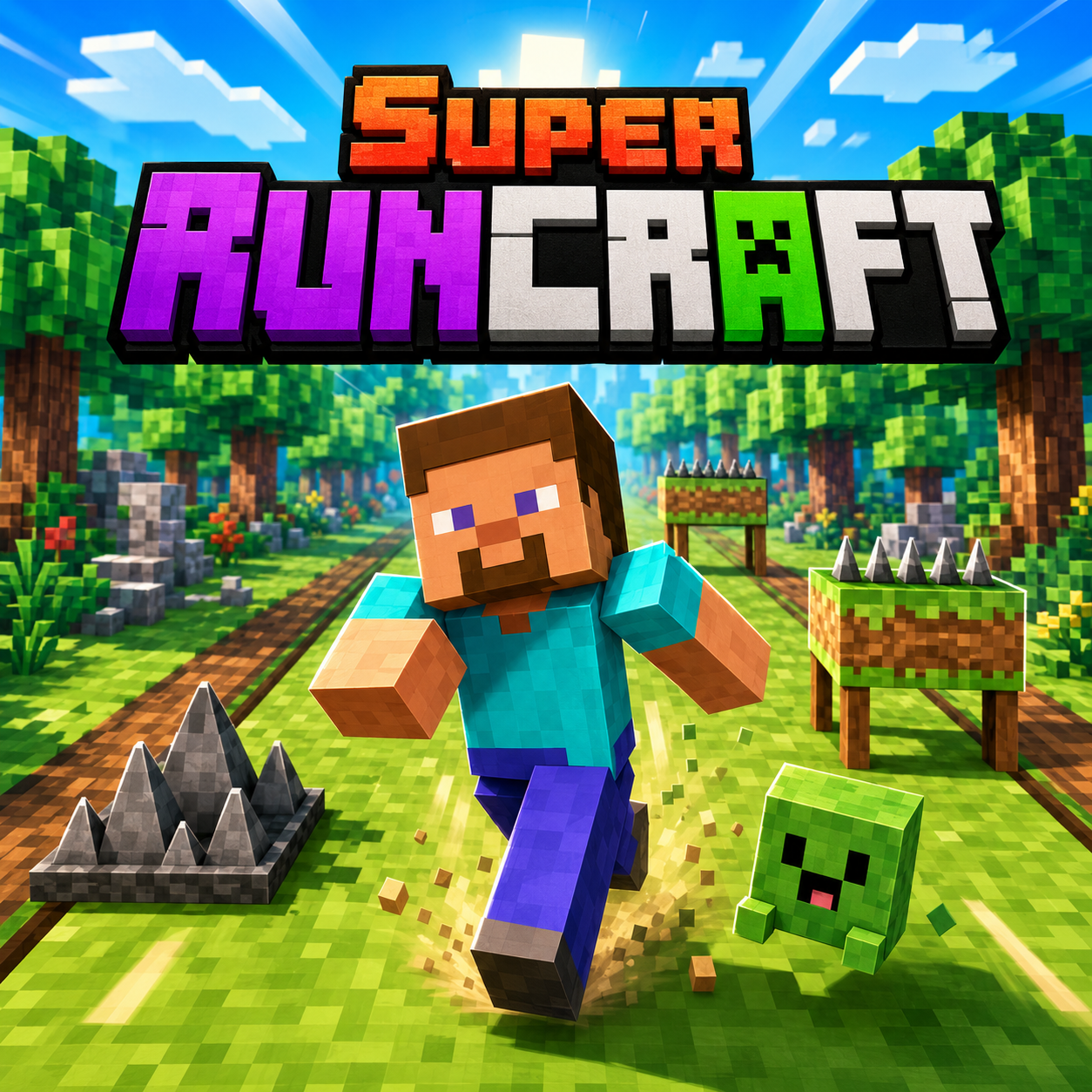
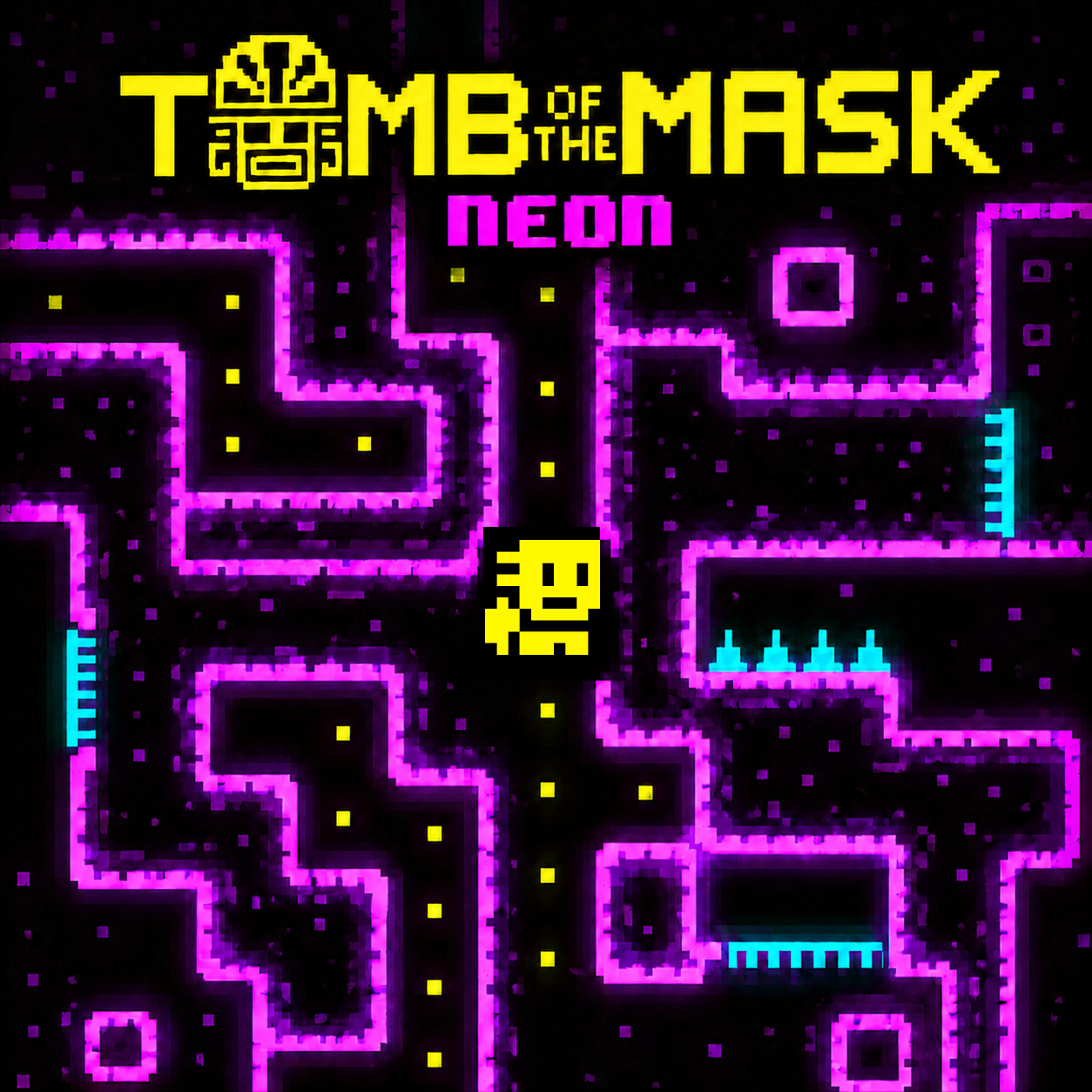





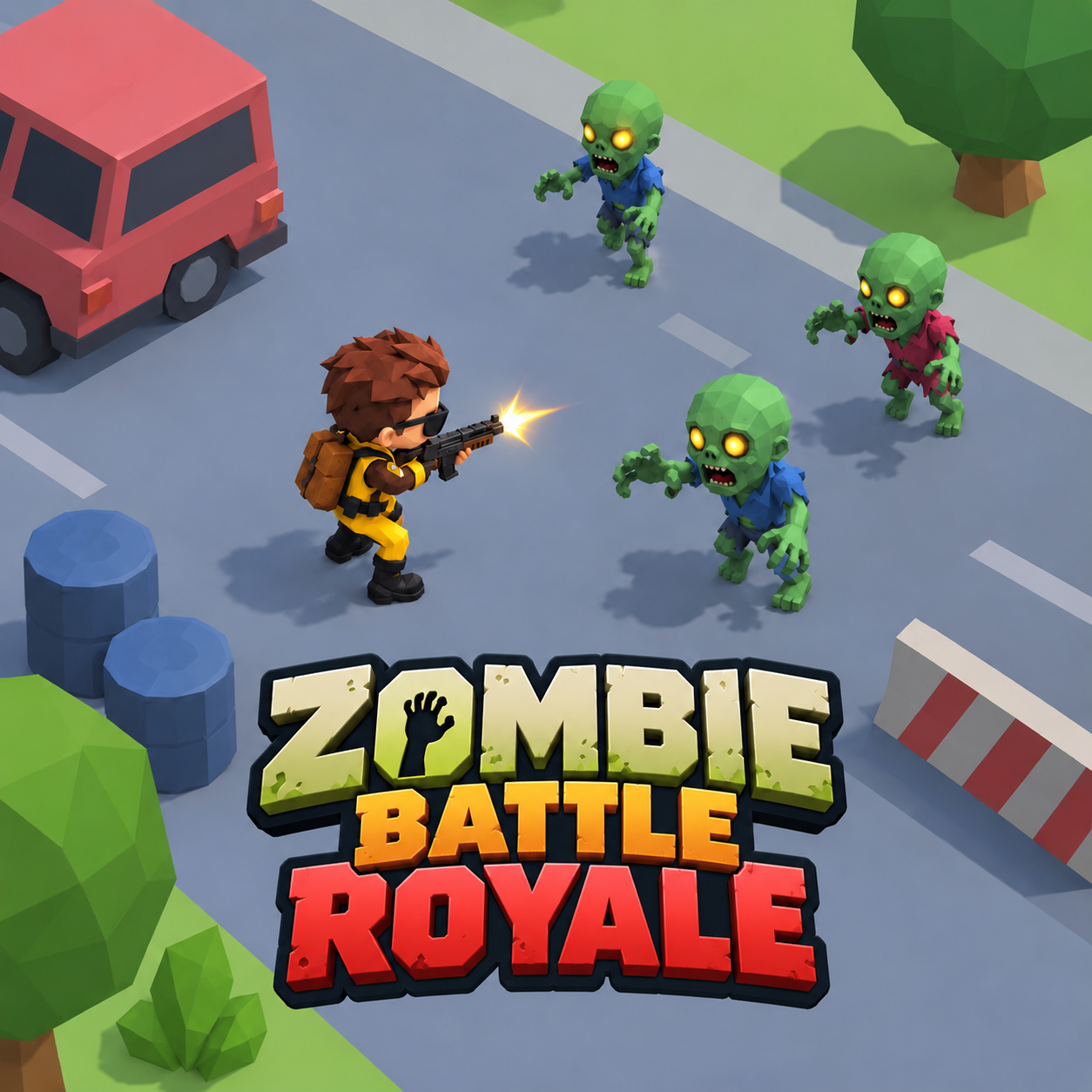

Left or Right: Spranki Beats is an inventive rhythm game that distills the genre to its purest essence: a binary choice between two directions, synchronized with a musical pulse. Unlike conventional titles that demand complex button combinations, scrolling note highways, or dense visual feedback, this game strips the experience down to a single, elegant question—will your next move be left or right? The result is an engaging hybrid of reflex testing, pattern recognition, and auditory perception, delivering the thrill of a rhythm action game without entangled controls or overloaded interfaces.
The premise is simple: as music plays, the game issues prompts indicating which side of the screen to select. In its most basic form, the player must choose the correct side to match the cue. Timed with the accompanying track, each attempt maintains rhythmic consistency and builds a sensorial link between what you hear and what you do. The design ethos is accessibility—anyone can pick it up and understand the core loop within seconds—but the escalating speed and dynamic patterns ensure that seasoned players are not left with a shallow experience. Each track contains its own embedded rhythm signature, requiring the player to internalize the beat and predict the next prompt. The later tracks and advanced modes demand superior reactions, rhythmic intuition, and the ability to remain composed under tempo pressure. With a clear, intuitive user interface, visually unambiguous signals, and a compulsion loop that roars within minutes, Left or Right: Spranki Beats is a title that respects both newcomers and hardcore leaners within the niche, becoming an instant recommendation to rhythm game enthusiasts looking for a fresh twist on reflex-based gaming.
To get the most out of Left or Right: Spranki Beats, implement the following pratiche suggestions handed down from rhythm veterans:
Left or Right: Spranki Beats is an engaging meta-rhythm game that combines stark minimalism with robust depth. It honors the core principles of rhythm gameplay—practicing timing, memorization, and anticipation, and it wraps them in a simple two-digit access. For pros, more advanced modes provide a true benchmark of their reflexes, and for new players the onset and tutorials are a welcoming introduction. The real joyhere is in that small moment when the beat and your choice align flawlessly. So pick a side, focus, and let the music guide you.
Now check if we include all sections. "Précautions/Tips" spelling? We must use exactly "Precautions/Tips". In the summary, "How to Play" etc. We'll adjust if header case.
Also, the content mentions "rythm" but we should use correct "rhythm". Our article is in English.
We need about 1000 words. Let's count our draft. It's quite long; I'm not sure exact. I'll write more concise summary perhaps to balance. Let's estimate: Summary around 250 words, How to Play ~200, Key Features ~150, Tips ~300, closing ~100? Total ~1000. Good.
Now produce Markdown with headers as required. Ensure no extra preambles.
Let's final### Summary
Left or Right: Spranki Beats is an inventive rhythm game that distills the genre to its purest essence: a binary choice between two sides, synchronized with a musical pulse. Unlike conventional rhythm titles that rely on dense note highways, complex button combinations, or scrolling sliders, this game strips away all extraneous systems and leaves only the fundamental challenge—do you choose left or right, and can you do it exactly on the beat? The result is a seamless hybrid of timing, pattern recognition, and auditory intuition that offers a refreshingly accessible entry point for newcomers while still providing a substantial test for seasoned players.
The core premise is elegantly simple: prompts appear on screen indicating a left or right position, and the player must select the corresponding side in tune with the rhythm of a given track. Each track is built around its own rhythmic structure, requiring the player to internalize temporal spacing and anticipate when the next cue will arrive. The early tracks act as a gentle tutorial, encouraging players to grasp the basic flow. As the player advances, the speed increases, the patterns become more irregular, and the greater accuracy becomes mandatory. What sets this title apart, aside from its purity, is the speed at which it escalates—within the first hour, the game transitions from a casual listen-and-tap pastime to a high-stakes test of auditory processing and micro-decision accuracy. The vibe is intuitive for novices but deeply rewarding for those wanting to measure rhythm. Ultimately, Left or Right: Spranki Beats strips away all noise and entrusts you with a core primal wonder: can you be on the beat?
When you step into the game, you are greeted by a clean interface with a minimal selection of songs. Begin with an easier track to become comfortable with the rhythm and control. The playable is incredibly straightforward: during the song, you will see cues appear that guide you to choose the left or right side. Your task is to press the corresponding button or touch the appropriate area just as the beat hits. The crucial element is not how quickly you react, but how accurately you land each selection in tempo. Instead of smashing the input as fast as possible, you must listen to the beat and "slot" your move inside the groove.
Each song uses directional sounds, visual flashes, or pan effects to inform which side to pick. The base mode combines visual arrows and musical accents. A slow, steady tempo helps teach the fundaments; later songs feature more complex offbeat patterns that will break your anticipation. To play well, you need to develop both your peripheral vision and your sense of pulse. One useful method is to mentally "silence" the visual cue and rely on the rhythmic grooves for your hints. This is especially important because the game features four distinct modes, each with a unique rule on the classic left/right selection:
Each mode has its own skill curve, and players can switch between them to train different aspects of perception. Use the early tracks as pure training; do not rush to hardest difficulty, as you need to build your internal beatmap.
Successful play is not just about how quick you click—others have to be careful about the whole rhythm experience. Here are several tips to improve performance and avoid common pitfalls:
To sum up, remember: precision over raw speed, solid hearing, spatial awareness, and clear mental maps. Left or Right : Spranki Beats is a celebration of minimal groove. The player is invited to enter a musical loop where their input becomes the beat. It's the whole what – feel of sensorial gratification and sound added. That's the summit to master: not just be able to choose, but to choose in complete humanity to tune.
R: Left Or Right Spranki Beats es un juego basado en el ritmo que combina melodías atractivas, reflejos rápidos y decisiones direccionales sencillas. Mientras suena la música, observas las señales en pantalla y eliges el lado adecuado en el momento preciso.
R: El objetivo central es elegir el lado izquierdo o derecho según las señales mostradas, asegurando que tu selección coincida con el ritmo musical.
R: Para nada. No hay esquemas de control intrincados; solo tienes que escuchar la banda sonora, estar atento a las señales y elegir la dirección correcta.
R: Absolutamente. Los mecanismos básicos son lo suficientemente simples para que los nuevos jugadores los dominen rápidamente, y las pistas introductorias están diseñadas específicamente para familiarizar a los jugadores con el funcionamiento del juego.
R: Sí, lo hace. El tempo de los patrones acelera gradualmente, y las pistas posteriores exigen reflejos más rápidos junto con un sentido más refinado del tiempo y el ritmo.
R: El juego incluye cuatro modos de juego distintos. Dependiendo del modo que elijas, podrías necesitar responder a ritmos musicales, reaccionar a señales de audio, seguir indicadores visuales o adaptarte a estructuras de patrones cambiantes.
R: Cada modo introduce su propia variación sobre la mecánica fundamental de selección izquierda/derecha, manteniendo la experiencia fresca y atractiva. Algunos modos enfatizan el tiempo musical, otros se centran en reacciones basadas en sonido, algunos dependen de señales visuales, y unos pocos combinan estos elementos con patrones cambiantes.
R: Los principiantes deberían comenzar con una pista más lenta y centrarse en las señales próximas. Cuando el juego indique izquierda, muévete al lado izquierdo; cuando indique derecha, muévete al lado derecho. Intenta hacer cada movimiento exactamente a tiempo con el ritmo.
R: Si una secuencia comienza a sentirse abrumadora, da un paso atrás mentalmente y concéntrate en manejar una señal a la vez en lugar de intentar procesar todo el patrón de una vez.
R: El tiempo preciso importa mucho más que la velocidad pura. Presta mucha atención a la música para poder predecir cuándo aparecerá la próxima elección direccional y reaccionar en consecuencia.
R: Mantén la mirada fija cerca del área donde aparecen las señales, minimiza cualquier movimiento innecesario de manos o cuerpo, y reproduce las pistas regularmente para aprender patrones rítmicos comunes y responder de manera más instintiva.
R: Una vez que te sientas cómodo con los patrones fundamentales, desafíate a ti mismo pasando a canciones más rápidas y modos más exigentes que pongan a prueba tu tiempo de reacción y precisión rítmica.
R: La curva de aprendizaje es agradable y satisfactoria, con controles simples que son fáciles de aprender, una variedad de modos para explorar y pistas que aumentan progresivamente en dificultad para mantenerte desafiado.
R: Este juego es una excelente opción para los entusiastas del ritmo que aprecian un giro creativo en la fórmula tradicional de juegos de ritmo y disfrutan poniendo a prueba su tiempo y habilidades de toma de decisiones.
Al iniciar Left Or Right Spranki Beats, se les presentan a los jugadores una variedad de pistas. Para los novatos, se recomienda comenzar con una pista más simple para captar el ritmo básico y entender cómo evolucionan las indicaciones. La mecánica es sencilla: aparecen señales que te indican si debes elegir el lado izquierdo o derecho. Luego respondes tocando o presionando la tecla que corresponde a ese lado. El tiempo lo es todo: tu entrada debe alinearse con el ritmo de la música, en lugar de depender únicamente de recordar el orden.
La etapa inicial funciona como un tutorial interactivo, que introduce progresivamente más indicaciones y establece el tempo. Los principiantes deben concentrarse en el área de visualización y esperar a que aparezca la señal visual. Al mismo tiempo, presta atención a la música y trata de sincronizar tu respuesta con el ritmo. Hacer clic al azar lo más rápido posible reducirá tu puntuación; el juego penaliza el pulsado descuidado de botones. Más bien, la precisión en el tiempo se valora más que la velocidad bruta. En todos los modos, el principio básico se mantiene constante: elige izquierda o derecha cada vez que aparezca una señal, pero la forma de esa señal puede variar significativamente.
Los cuatro modos:
Izquierda o Derecha (Clásico) – Este es el modo base. Las señales se muestran como flechas o texto que dice “IZQUIERDA” y “DERECHA”. La música y el indicador visual llegan al mismo tiempo, proporcionando dos señales simultáneas que te ayudan a establecer una conexión rápidamente.
Modo Solo Sonido – Aquí, todas las señales visuales directas se eliminan. En su lugar, escuchas una señal de audio única, como un sonido que se desplaza bruscamente hacia la izquierda o la derecha, o una nota musical que surge de un canal particular. Tu tarea es identificar el lado de origen y responder sin demora. Este modo agudiza tus habilidades auditivas y desafía tu velocidad de reacción.
Modo de Indicación Visual – Este modo elimina la guía musical y se basa únicamente en indicadores visuales, como un destello de color o un objeto que se mueve en un lado. Requiere un procesamiento casi subconsciente, y la dificultad aumenta a medida que la velocidad se incrementa.
Modo de Cambio de Patrón – Este modo combina elementos de los demás. Las señales auditivas y visuales pueden seguir presentes, pero el giro crucial es que las reglas pueden cambiar durante una pista, por ejemplo, podrías necesitar de repente seleccionar el lado opuesto, o la orientación izquierda/derecha podría invertirse. Los jugadores deben mantenerse constantemente alerta a las condiciones cambiantes.
Cada modo mantiene la aparente simplicidad de elegir izquierda o derecha, pero cada uno cambia el nivel de esfuerzo mental requerido. Moverse regularmente entre ellos entrena al cerebro para hacer distinciones agudas.